A family companion that remembers and grows with mother, father and child
A friend who never forgets
the little things
Yesterday in Grandma's yard, this week's dinosaur craze: Bebe remembers. Out of that memory comes tonight's book, and a friend who stays beside your child's feelings. An AI family companion for children 0–5, used together with mum and dad.
Bebe is an AI · your child's voice is never recorded
Not a screen to watch, a turn to take
A child's language grows from
words exchanged, not words heard
What researchers keep finding is that the back-and-forth matters more than the word count. So instead of playing a video, Bebe asks, waits, and picks up what your child says.
Turns over word counts01A study that followed 41 Korean-learning babies to age four and a half found that the turns they took with their mothers around their first birthday were linked to their vocabulary at 54 months. In a randomised trial that helped families take more turns, children's language scores rose with them.Mun & Choi 2025, Korean Journal of Developmental Psychology · Romeo et al. 2021, Developmental Cognitive Neuroscience (randomised trial)
More screen, fewer turns02Recording 220 Australian homes from 12 to 36 months, researchers found that every extra minute of screen time came with fewer conversational turns at home. The other way round, when a cartoon character asked questions and responded to the child's answers, children talked more and understood more.Brushe et al. 2024, JAMA Pediatrics · Xu et al. 2022, Journal of Applied Developmental Psychology (77 children aged 4–6, randomised)
Ask, don't just read03In a randomised trial of 117 children aged 3 to 6, those who read with an AI partner that asked questions understood the story as well as those who read with a person. Reading that asks and expands on the child's answers grows the words a child uses more than reading alone does.Xu et al. 2022, Child Development (randomised trial) · Mol et al. 2008, Early Education and Development (meta-analysis of 16 studies)
These studies are about conversation itself, and most of them looked at conversation with a person. Bebe does not replace talk with mum and dad; it adds one more thing to talk about. It is not a diagnosis or a treatment.
Instead of a boxed set
A 700,000-won set of picture books.
How many did your child choose?
In Korea a Korean-language picture-book set runs 778,000 won and a premium system 4,650,000. A picture-book expert says parents end up pushing books on children because the set cost so much.
Bebe does it the other way round. What your child said today becomes tonight's book. Each one is your child's own story, so your child opens it first.
JoongAng Ilbo 2025-09-10 (early-childhood book-set prices), Hankook Ilbo 2019-09-19. List prices of the products reported.
What gets missed
English, maths, brain training…
but what about resilience?
One in two Korean two-year-olds already has private lessons. The research points elsewhere: self-control between three and eleven predicted health and income at thirty-two, and the children who shared and waited in kindergarten were likelier to finish college as adults. Resilience is not a rare gift. It comes from an adult who stays beside the child.
The seven ways Bebe grows with your child
Body01Active play before five builds the brain's foundation. Bebe sends your child running around the room, not sitting at a screen.
Language02Back-and-forth turns, not word counts, grow a child's language. Bebe asks, waits, and hands the turn back.
Thinking03Executive function is not inborn. It grows from small daily choices.
Together04Sharing and waiting at five predict life at twenty-five.
Heart05Resilience comes from an adult who stays beside the child. Bebe gives feelings their names.
Expression06Curiosity and creativity fall after ten. Now is the time to protect them.
Self07Early self-regulation shapes health, income and safety, ahead of academics.
Bebe was not built to get a child ahead. It keeps an eye on the seven areas the research calls important, in everyday talk and play, and shows you where this week's play landed. It is not a diagnosis or a treatment.
Sources: Moffitt et al. 2011 PNAS (self-control, 1,037 children followed to 32) · Jones et al. 2015 AJPH (kindergarten social competence, 13–19-year follow-up) · Masten 2001 American Psychologist (resilience) · Romeo et al. 2018 Psychological Science (conversational turns) · Harvard Center on the Developing Child (executive function) · OECD 2024 SSES (curiosity, creativity) · WHO 2019 (active play) · KICCE 2026 (early private education in Korea)
Bebe remembers your child
It keeps what it hears
and gives it back as your child's own story
The same “dinosaur story” is different for every child. Bebe keeps what it heard over the past days, writes that child's own book, and asks about it first next time.
What Bebe remembered over a few days
Loves dinosaurs
Can count to three
Played in Grandma's yard yesterday
What Minji said today
Make me a book with dinosaurs!
On the shelf five minutes later
꼬리는 여기
One: the tail slipped out, and Minji was sad.
Her favourite dinosaurs, counted up to the three she knows.
What Bebe remembers is in the grown-ups' space, where you can correct or delete it. A deleted memory is no longer used.
Nothing dressed up
What Bebe made, exactly as it came out
All of it was really made by Bebe for an imaginary child called Minji. Words, pictures and video are made by AI.
Page 5
Picture book · 6 pages · about 5 min
꼬리는 여기 (The Tail Is Here)
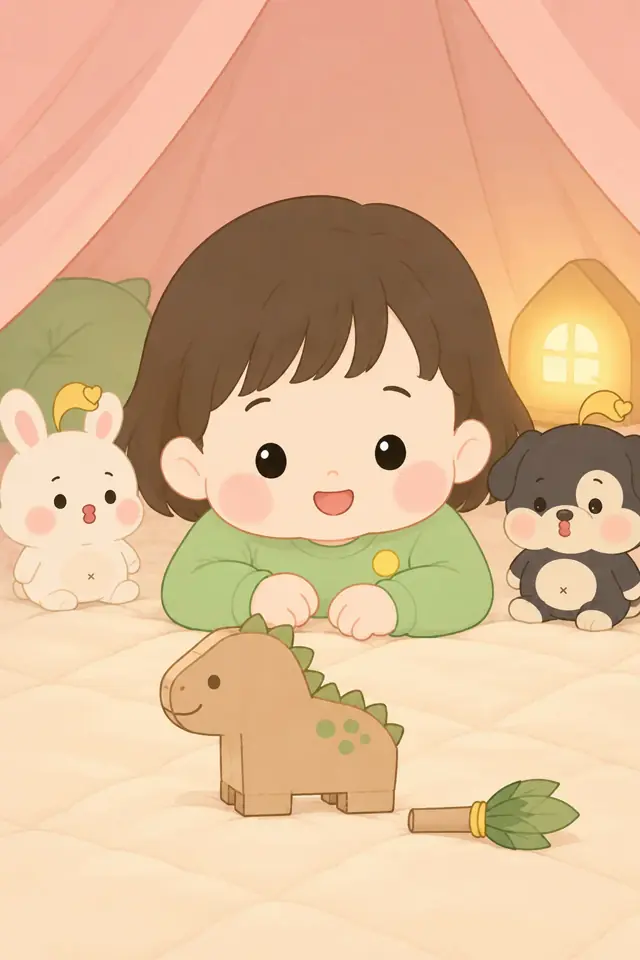
Minji saw the long dinosaur tail and smiled.
“Bebe, the tail was right here all along!”
A question for your child on every page
What made Minji smile?
A note for grown-ups
When you read it again, pause before the last word of the refrain and let Minji say it.
Story video · 4 scenes · 35 s
함께 울린 방울 (The Bell We Rang Together)
At a forest picnic Minji presses a big bell, but it makes no sound. She shakes it with Bebe, and it rings.
Tap to play with Bebe's voice (35 s, in Korean with subtitles)
Finger game · ready in 2–4 min
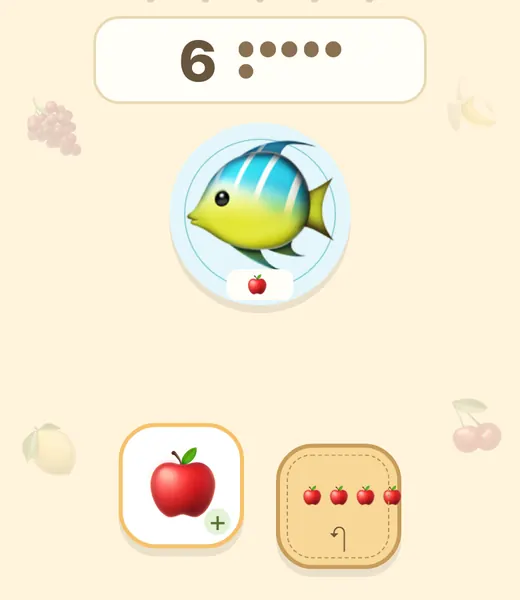
물고기 과일잔치 (The Fish's Fruit Party)
Put as many fruits in the basket as the fish wants. Made for a child who counts to five, to try six to ten.
Baby-food recipe · 7–8 months
양송이 두부 수프 (Mushroom tofu soup)
Six ingredients, four steps. Timers where something simmers, and a way to tell each step is done.
No eggContains soy
Made for grown-ups and children together
Not a screen for a child alone
Bebe isn't made to keep a child busy alone. She works best when you're beside your child, listening, reading and laughing together.
How to use it at each age
Under 2
The screen is for you. Read Bebe's stories aloud to your child, and use the recipes and parenting help. Stories and videos for this age are made calmer too.
2 to 5
Talk and make things together, side by side. Up to an hour of screen a day is plenty.
The Korean Pediatric Society advises no digital media up to 24 months and, after that, under an hour a day watched together. The WHO also advises no more than an hour of sitting screen time a day for ages 2 to 4.
What the design keeps
No endless feed. Videos and read-alouds stop when they end.
Each child has a daily limit.
Grown-ups can set how many hearts each child may use a day. When they are used up, Bebe says "that's all for today" and rests.
From 10 p.m. to 6 a.m., Bebe and her friends sleep too.
The grown-ups' space and payments open only after a grown-up check.
Your child's screens show no prices and no buy buttons.
How we treat your child's data
We never keep recordings of your child's voice. Only the conversation as text stays.
The microphone turns on only when you tap the orb. Tap it mid-call to stop listening; tap X to end.
We don't sell children's data or show ads to children.
What Bebe remembers and your chats can be read and deleted in the grown-ups' space. The conversation engine's daily log is deleted with the account.
Conversations Bebe thinks a grown-up should see are marked “to review”.
Card details go to Polar, our payment provider. Alphabebe never stores them.
Conversations are processed by providers such as OpenAI and Microsoft Azure, partly in the US. The privacy policy lists them all.
The first feelings a child learns are five: joy, sadness, anger, worry and fear. Bebe and her friends each hold one. They know how to welcome a child that feeling visits, and they have felt it themselves.
KulkulMorning
HihiNoon
HohoAfternoon
BebeEvening
KongkongNight
Bebe
White bunny · the heroine
A white light that welcomes every feeling.
Holds
Sadness, upset
A line for grown-ups
“You're upset. Want a hug?”
Kongkong
Charcoal puppy
The gentle dark who comes close on scary nights.
Holds
Fear, worry when apart
A line for grown-ups
“I always come back.”
Hihi
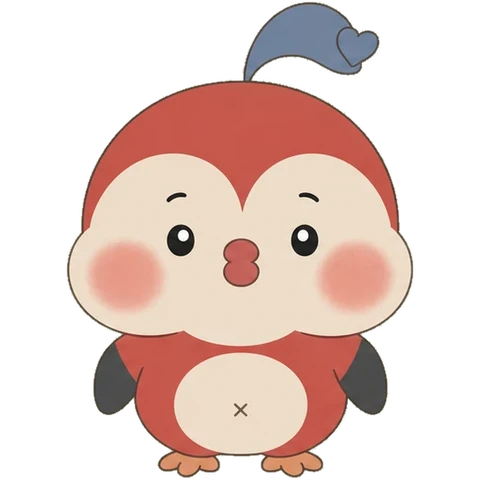
Little red bird
The bird who spots small joys first and shares them.
Holds
Joy, excitement
A line for grown-ups
“…and now it's your turn!”
Hoho
Little yellow tiger
Nervous, still says “Hooo” and takes one step.
Holds
Worry, first-time jitters
A line for grown-ups
“Hooo, shall we try just one step?”
Kulkul
Blue-grey bear cub
The spring bear who hugs big even when cross.
Holds
Anger, grumpiness, sleepy fuss
A line for grown-ups
“Your body feels sleepy. Big stretch?”
What the names and colours mean
White light holds every colour. Korean babies wore white until their hundredth day, then put on colours for the first time. Bebe is the white bunny; her friends are the colours a child gains while growing. Side by side, the five make the 색동 stripes of a Korean child's sleeve.
The heart-shaped leaf on each head is a sprout of the heart. Every child already has the sprouts of a kind heart. The friends tend them; they never pull them.
Comfort always goes in the same order: notice, name it, stay close, then the gesture. No friend tries to fix a feeling before naming it.
All five live together in the room. In each story, video and game, the one friend who fits that day's story joins Bebe.
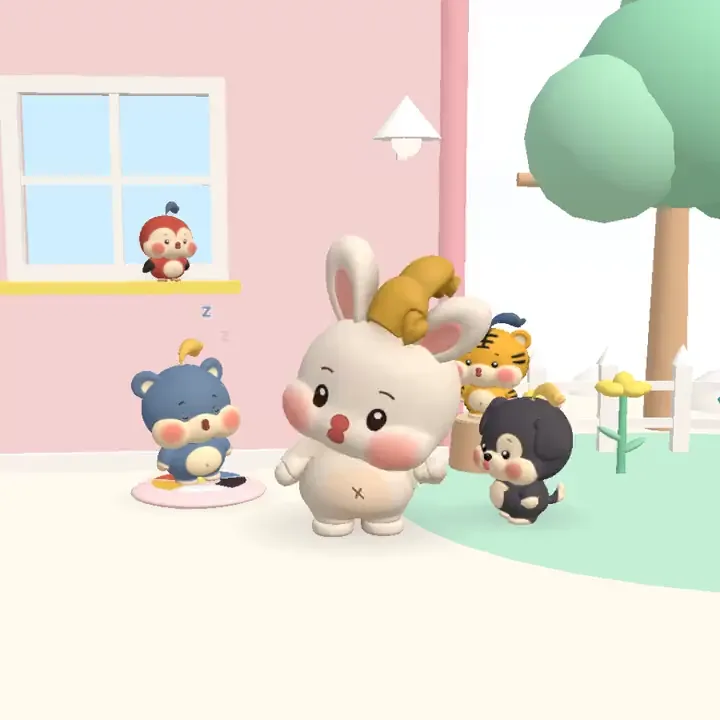
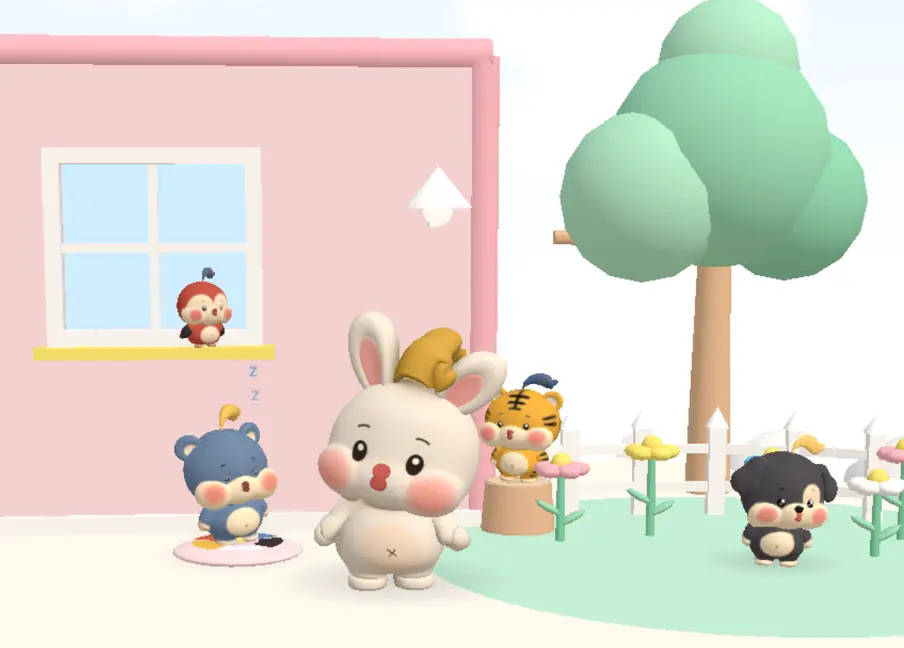
The real app at 10 a.m. Kulkul dozes on the cushion, Hihi sits on the windowsill, Hoho on the stump, Kongkong in the yard.
Grown-ups' space
Getting to know your child better
It opens only after a grown-up check. Read a short account of your child's time with Bebe, and talk parenting with Bebe too.
Today's summaryA short evening note on what your child talked about with Bebe.
What Bebe remembersFavourite things, recent days. Add to it or delete it.
This week's learningWhat play touched on, by area, at a glance.
To reviewOnly the conversations that need a grown-up's look.
Ask BebeTalk through things like “she keeps waking at night” with a Bebe who knows your child.
Per-child settingsVoice style, morning hello time and profile, for each child.
Questions parents ask
Before you search for it, the answers about Alphabebe (알파베베) are here.
What is Alphabebe?
Alphabebe is an AI family companion for children aged 0 to 5 and their parents. Bebe, a white rabbit, talks with your child by voice, remembers what your child says, and turns it into picture books, story videos, songs, finger games and block toys. The parent space sums up the time your child spent with Bebe.
From what age can we use it?
It is made for ages 0 to 5. Under two, the parent holds the screen and reads the books Bebe wrote aloud; stories and videos are made calmer for younger children. You can choose Korean or English for your child.
Is AI safe for kids, even a three-year-old?
With a parent nearby and within a set time, we think so. Bebe is not an AI toy a child uses alone; it is a companion the family uses together. Each child has a daily limit, Bebe sleeps at night, and conversations worth a look are flagged in the parent space. Our line comes from the paediatric bodies: the American Academy of Pediatrics advises no screens before 18 months other than video calls with family, and good content watched with an adult after that; the Korean Pediatric Society advises no digital media before two. So for a baby under two we suggest Bebe only in a parent's hands, reading and playing together.
What does it mean that Bebe remembers my child?
Bebe keeps the little things: what your child likes, what happened lately, how far they can count, and uses them in the next conversation and the next book. You can see, correct or delete what Bebe remembers in the parent space, and a deleted memory is never used again.
How do I build resilience and emotional sensitivity in my child?
Bebe and her five friends each hold one feeling (joy, sadness, anger, worry, fear) and show, through stories and play, how to name a feeling and stay beside it. The app keeps an eye on the seven areas research calls important (body, language, thinking, together, heart, expression, self) and shows you in the parent space where this week's play landed. It is not a diagnosis or a treatment.
Can it replace a personalized book or a boxed set?
You don't have to give up books you own. But rather than bringing in dozens of books at once, reading one book Bebe wrote from what your child said today, about what they love, is the book a child opens first. Each page asks your child a question to answer together, the narration comes with it, and every child's books build up on their own shelf.
Are AI-made picture books okay for my child?
We understand the worry. Bebe's books start from what your child said that day and what they love, not from a content mill, and every book stays on their shelf for you to open together any time. Each book, video and song carries an AI label, and we never ask for or use a photo of your child. If a page doesn't sit right, tell us at contact@alphabebe.ai.
Does talking to a voice AI count as screen time?
We designed it differently. When your child talks with Bebe the only thing on the screen is Bebe's room: no endless videos, no feed. Your child speaks, Bebe listens, asks, and hands the turn back. It is designed around the back-and-forth that research calls important, but that research looked at conversation with people, so Bebe adds to talk with mum and dad rather than standing in for it. Parents still set the daily time per child.
Can it help a late talker or a toddler with a speech delay?
Bebe is not a therapy tool. If you are worried about a speech delay, talk to a paediatrician or a speech-language therapist first. What Bebe does is listen, wait, and make books and songs out of what your child loves, so there is more to talk about together. Your child's voice is never recorded.
How is it different from AI toys for toddlers?
Bebe is not a toy a child hugs alone; it is a family companion used with mum and dad. No recordings are kept, your child's data is never used for ads or sold, and Bebe keeps no secrets from parents. Everything Bebe remembers can be seen and deleted in the parent space, and payments and settings are for grown-ups only.
Can my child use it alone?
Bebe is made for a parent to be nearby. Sign-up, consent, payment and the parent space are for grown-ups only, and a child's screens never show a price or a pay button. There is no endless feed, and each child has a daily limit.
Is Bebe a person?
No, Bebe is an AI. The conversation, the words and pictures of the books and the videos are generated by AI and can sometimes be wrong. Conversations worth a look are flagged in the parent space, and you can write to contact@alphabebe.ai about anything odd.
Is my child's voice stored?
No. Speech is only turned into text, and no recording is kept. The transcribed conversation can be read and deleted in the parent space, and your child's data is never used for advertising or sold.
How long does a storybook take?
A picture book or a recipe takes 3–5 minutes, a story video 5–8, a finger game 2–4, a song 3–5. You can keep talking with Bebe meanwhile, and you are told when it is ready.
How much can we use for free?
Hearts are what Bebe uses to talk and make things: a storybook takes 60, a minute of voice talk about 20. The 250 welcome hearts make about 4 storybooks. If you want more, the grown-ups' space offers a monthly or yearly plan or heart packs, and a card is asked for only then, with prices shown before any payment.
How do cancellation and refunds work?
Cancel the plan any time in one tap in the parent space; payments stop from the next one and what you paid for runs to its end. Bought hearts you have not used can be refunded in the app within 7 days.
We have two children.
Each child gets a profile. Bebe remembers each child separately, and the family shares one set of hearts.
Do we need to install an app?
No, it runs in the browser. Add it to the home screen and it opens like an app, with morning greetings as notifications. iPhone, Android and computers all work.
From today, a friend
who never forgets the little things